


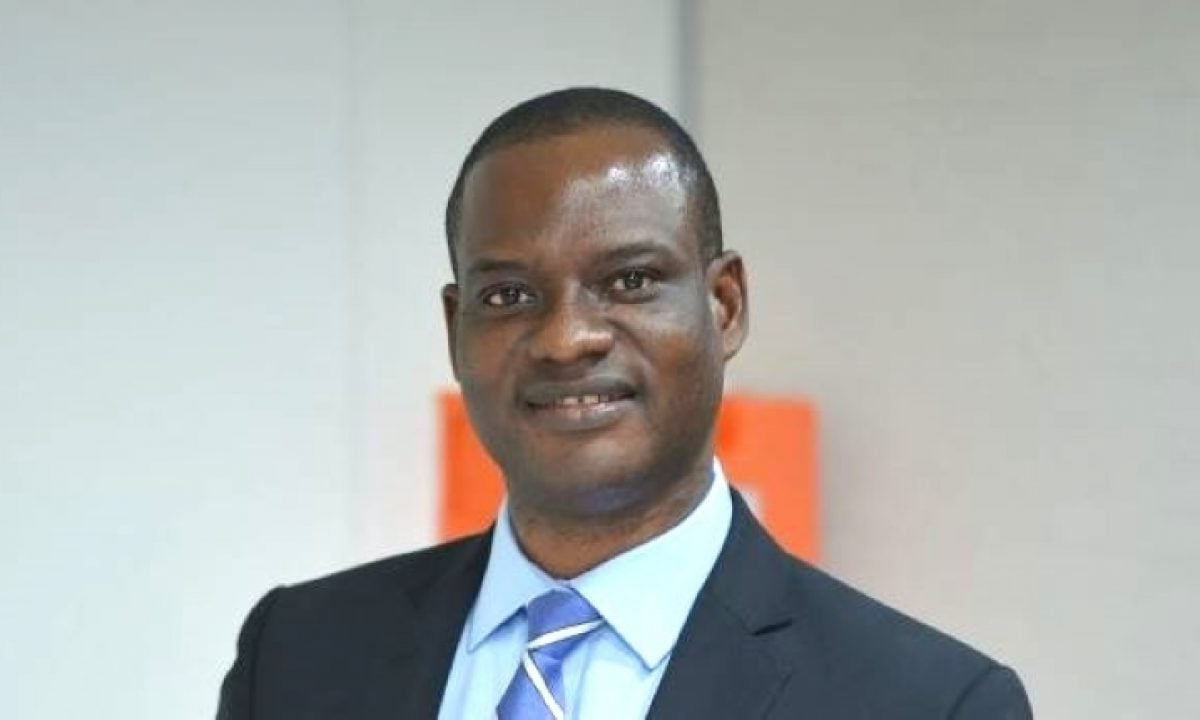
Nigeria’s Minister of Finance and Coordinating Minister of the Economy, Taiwo Oyedele, is leading the country’s delegation to the 2026 International Monetary Fund (IMF) Annual Meetings holding at Bangkok, Thailand.
The meeting, holding from October 12 to 18, is being attended by delegations from over 190 countries.
The Nigerian delegation includes chief executive officers of financial institutions, private-sector representatives, civil society organisations, non-governmental organisations, and other stakeholders.
The meeting, aimed at promoting global macroeconomic financial stability in line with the IMF’s long-standing mission, will provide policy advice, surveillance of member countries’ economies, and financial assistance to countries facing balance-of-payments issues.
It will also focus on building a balanced and more resilient world economy that can withstand economic shocks and promote sustainable development.
The meeting’s activities will include analysing the world economy, holding bilateral consultations with member countries, and supporting countries navigating economic challenges.
It will also discuss the global economic outlook, global financial stability, and poverty eradication.
At the meeting, the IMF is also expected to release its World Economic Outlook and Global Financial Stability Report.
The World Economic Outlook will provide analysis and projections of the global economy; the Global Financial Stability Report will assess the global financial system and highlight systemic issues.
The meetings will also discuss the need for reforms to the global financial architecture to support developing countries, as well as poverty eradication and inclusive economic growth.
Other key areas of discussion at the meeting are how to address the economic impacts of climate change on nations.
The IMF and the World Bank are two intergovernmental organisations, often referred to as the Bretton Woods Institutions, established in 1944 to rebuild the global economy after World War II.
While the IMF focuses on maintaining the stability of the international monetary system, the World Bank aims to reduce poverty and promote development in countries.
The IMF also acts like a financial policeman, ensuring the global financial system functions smoothly, while the World Bank is like a development banker, helping countries invest in their future.