


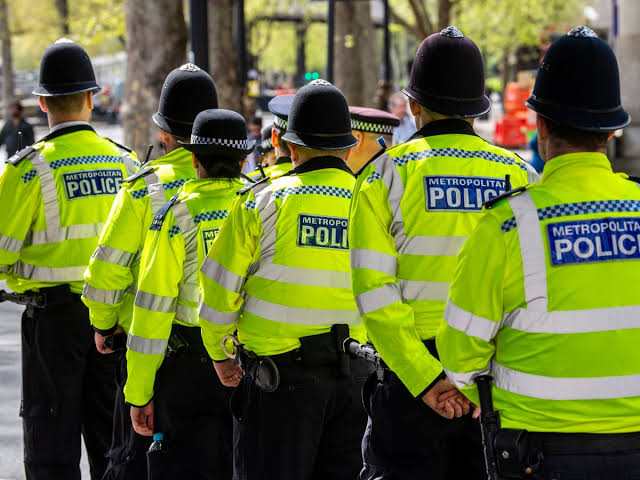
A review of the UK’s Metropolitan Police has found that the force remains institutionally racist, misogynistic and homophobic, three years after an investigation exposed deep-rooted cultural problems.
The Fairfield Review, published on Wednesday, assessed the force’s progress in implementing recommendations from a 2023 report by Louise Casey, which followed the murder of Sarah Everard.
Led by Gillian Fairfield, the review found that the Metropolitan Police had made no “good” progress on any of the recommendations, with evidence of organisational failures and misconduct similar to those identified in the Casey Review.
“The Casey Review found the Met was institutionally racist, misogynistic and homophobic. Our role has been to assess the Met’s progress in addressing this; we judge these fundamental, systemic issues remain,” the report said.
Although the force had made some progress in addressing racism, the review said it still struggled to recognise it as a structural problem, often treating it as a reputational threat rather than an opportunity to improve.
It also found that many female officers and members of the public remained unconvinced that efforts to tackle misogyny had produced meaningful change.
One officer told the review team: “There’s real predatory behaviour towards younger women and new recruits. They need to understand they are prey.”
The report also found that trust among the LGBT+ community had not improved following the force’s failures in handling cases involving serial killer Stephen Port.
It accused the police of continuing to make false assumptions about, and sometimes blame, LGBT+ victims.
Fairfield said she was shocked by the number of LGBT+ people who would not want to report crimes to the police.
The review further identified institutional defensiveness, weak accountability and a lack of confidence in misconduct investigations as persistent problems.
It said 44 per cent of officers and staff felt confident raising concerns about a senior officer, while 25 per cent were not very confident and 17 per cent were not at all confident that their concerns would be addressed.
Nearly half (49 per cent) of those who experienced bullying or harassment at work had not reported it. Of those who did, 67 per cent said no action was taken.
The review also criticised the force’s handling of its Parliamentary and Diplomatic Protection Command, where killer Wayne Couzens and serial rapist David Carrick had served.
It said the Met had introduced its own reforms instead of implementing specific recommendations for the command, but the changes had yet to produce the desired impact.
The report warned that further scandals were highly likely unless the force addressed entrenched cultures in specialist units, including those responsible for protecting royalty and handling custody operations.
It also raised concerns about weakened frontline policing, poor homicide investigations, over-centralised leadership and senior officers being disconnected from operational realities.
The Metropolitan Police accepted the review’s recommendations, with Commissioner Mark Rowley acknowledging the need for sustained efforts to eliminate discrimination.
Rowley said the force had made significant improvements since the Casey Review, including removing 1,800 officers and staff as part of what he described as the largest integrity overhaul in British policing history.
He added that standards had improved, performance had strengthened and violence had declined, while criminal justice outcomes for victims of sexual violence were among the highest nationally.
“The progress we have made is a credit to the professionalism, resilience and determination of our officers and staff,” he said.
Rowley acknowledged that eliminating discrimination required listening, sustained commitment and structural change.