


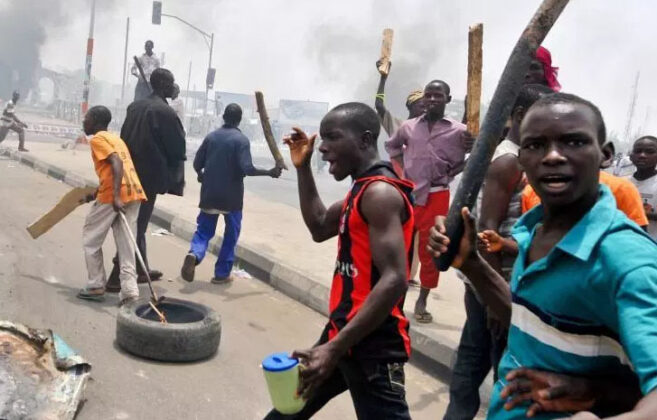
A chieftain of the African Democratic Congress (ADC) and public policy analyst, Kabiru Saje, has warned against the growing monetisation of youth participation and political gangsterism in Nigeria, describing the trends as threats to democracy.
Saje gave the warning in an interview on Saturday in Abuja.
He said some politicians were increasingly using financial inducements, patronage and coordinated partisan activities on social media to manipulate young Nigerians.
According to him, rather than mentoring youths as future leaders, some political actors have reduced them to transactional tools whose loyalty goes to the highest bidder.
He warned that monetised political allegiance could weaken public trust and promote leadership based on wealth rather than competence.
“A generation groomed to view politics strictly as a marketplace of survival, thuggery and paid online loyalty cannot easily transition into principled public leadership,” he said.
Saje urged security agencies, traditional rulers, elder statesmen and community leaders to resist political violence, vote-buying, youth intimidation and voter alienation.
He called on security agencies to remain impartial and prosecute electoral offenders, including their political sponsors, before violence became entrenched.
He also urged community leaders to promote dignity, honest labour and communal harmony among young Nigerians.
The analyst identified economic insecurity as a major factor making youths vulnerable to political manipulation, calling for sustainable employment and legitimate livelihoods.
He advocated enterprise support, digital and vocational skills training, agricultural value chains and merit-based employment to reduce young people’s dependence on political patronage.
“Empowering young Nigerians with genuine, sustainable income is the surest antidote to political capture,” he said.
Saje added that economically empowered youths would be less vulnerable to inducements, recruitment into political violence and the spread of online misinformation.
He also urged politicians, opinion leaders and media proprietors to protect national peace before, during and after elections, stressing that elections should be contests of ideas rather than existential battles.
He advised politicians to discourage hate speech and provocation among supporters, while urging media organisations to uphold fairness, balance and responsible reporting.
Saje expressed concern over the spread of misinformation, character assassination and unprofessional public relations activities on social media.
He warned that failure by established media organisations and trained journalists to address the trend could make it increasingly difficult to distinguish verified information from paid propaganda.
He urged journalists to strengthen investigative reporting, fact-checking and professional gatekeeping to ensure public communication remained credible and transparent.